
Geneva, Zambia 4 April 2026 – On this Mine Action Day, we celebrate the continued humanitarian impact of the Convention on the Prohibition of the Use, Stockpiling, Production and Transfer of Anti-Personnel Mines and on Their Destruction.
For nearly three decades, it has been an essential instrument for saving lives, supporting victims, and enabling communities to recover and thrive in safety.
Its implementation has guided the international community – and not just the Parties – to seek a world free of anti-personnel mines and assist the victims.
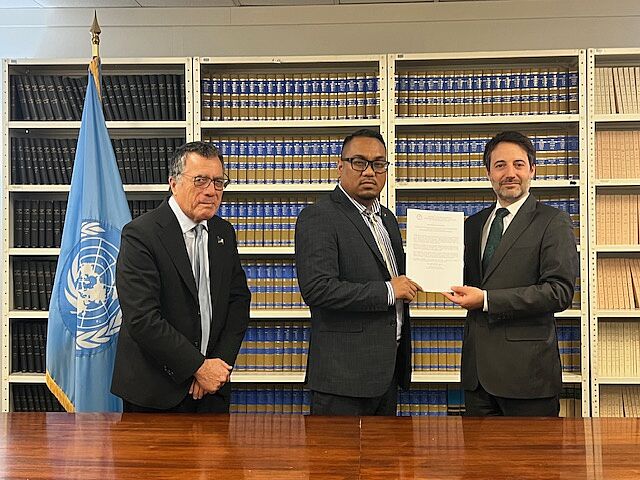
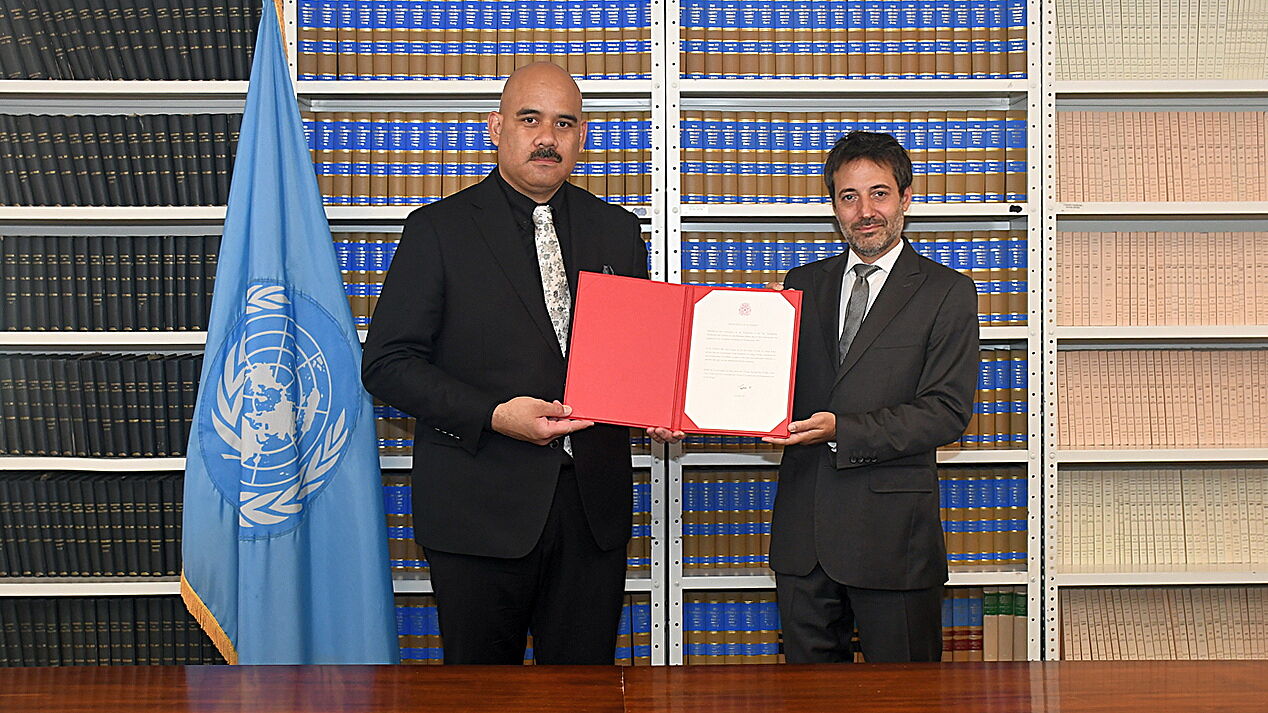
We are still far from done, we draw encouragement with the adherence of the Republic of the Marshall Islands and the Kingdom of Tonga. This says, the Convention matters! Today, more than in peace time alone.
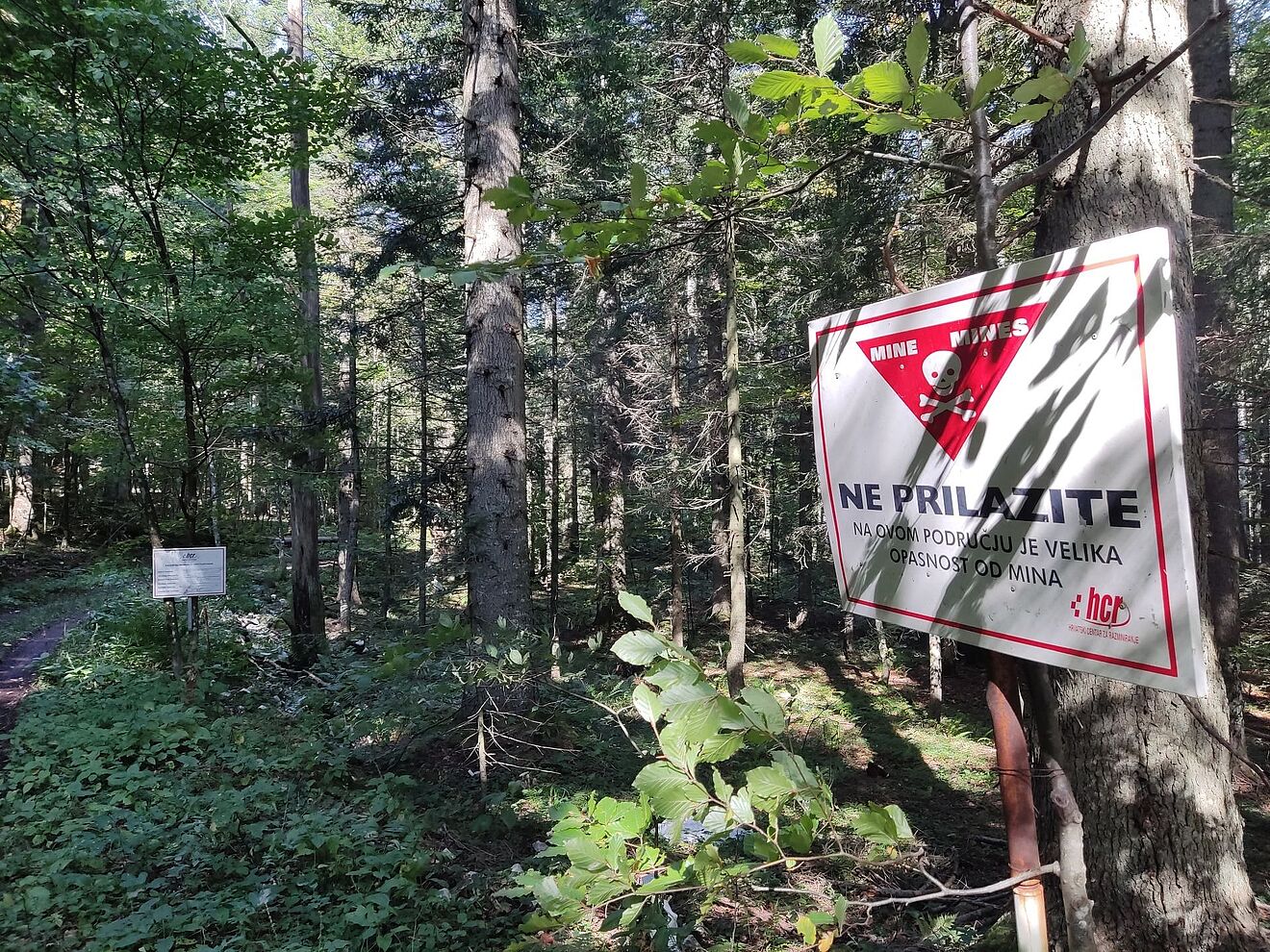
The Convention’s relevance cannot be denied – and we have many States Parties to thank for it. The successful completion of mine clearance by Croatia is a wonderful feat, nearly 30 years in the making! I look forward to welcoming Croatia to the number of States Parties that have been able to complete such an enormous task.
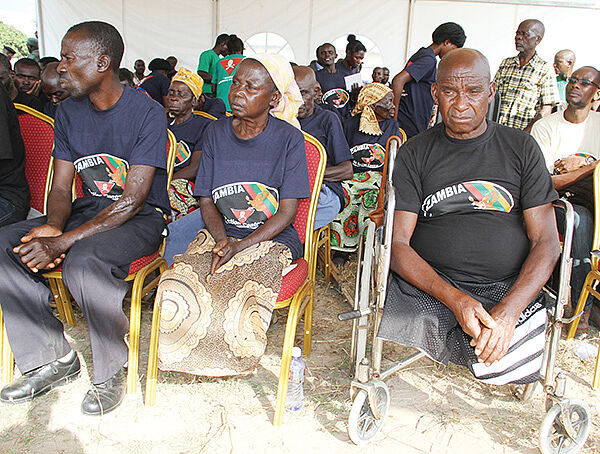
Zambia as a former mine-affected country salutes you.
Croatia is a great follow-up to Oman’s success in 2025—these two countries demonstrate that sustained commitment, political will, and national ownership can deliver real, tangible humanitarian outcomes.
Encouragingly, the Americas is the next continent inching closer to being “mine-free”, showing that global progress is possible when countries take responsibility for advancing these norms.
I look forward to participating in a Regional Stakeholder Dialogue in El Salvador with those countries that have already finalised their clearance, to discuss how we can ensure that any emerging threats are quickly addressed.
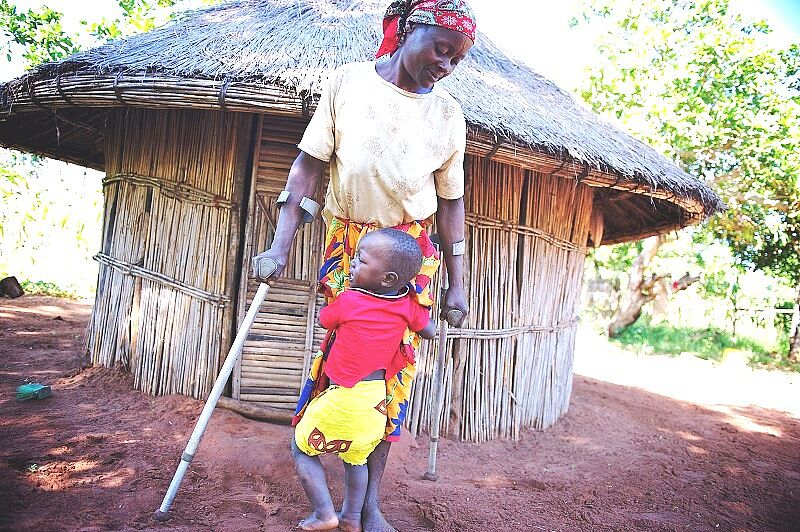
The Convention has empowered survivors of anti-personnel mines to be active participants in shaping national policies. It has also helped ensure that victims of other weapons are recognised and that the rights of persons with disabilities are addressed. Yet, much more remains to be done to fully integrate these efforts into broader humanitarian and development frameworks, so that no survivor is left behind and that the long-term impact of assistance reverberates through our communities.
While these collective successes are impressive, we note with regret that this 4 April is the first one since the departure of five European States from the Convention—Poland, Estonia, Latvia, Lithuania, and Finland.
I note with grave concern Poland’s statement that it would seek to produce a weapon that had almost been eradicated from European soil. That such weapon could return while neighbouring countries struggle to clean their territories should be a red flag to citizens everywhere.
The production and use of anti-personnel mines, even in defence planning, threatens a reversal of collective humanitarian progress under the Convention.
All States Parties should urge non-state actors to refrain from deploying these indiscriminate weapons, and encourage those not party to refrain from using them. We must collectively strengthen the global humanitarian norm against anti-personnel mines before it is too late.
As highlighted by a large number of States Parties, the UN Office for Disarmament Affairs, and the Convention Presidency during the most recent Meeting of the States Parties (22MSP), we call on Ukraine to continue implementing its obligations under the Convention.
Even amid ongoing security challenges, the Ottawa Convention demonstrates the enduring strength of humanitarian norms.
Editorial note: The Convention was adopted in Oslo and signed in Ottawa in 1997, and entered into force twenty-six years ago, on 1 March 1999. It is the prime humanitarian and disarmament treaty aimed at ending the suffering and casualties caused by anti-personnel mines by prohibiting their use, stockpiling, production, and transfer, ensuring their destruction, and assisting victims. Together, the States Parties have destroyed over 53 million anti-personnel mines. Implementation of the treaty has contributed to peace and development by making billions of square meters of land safe again for human activity and providing support to those that have fallen victim to the weapon.