Summary
Monday 23 June 2014
The official opening of the Third Review Conference was preceded by a ceremony that featured statements by the President of the Republic of Mozambique, Armando Guebuza, Deputy Minister of Foreign Affairs and Cooperation of the Republic of Mozambique, Henrique Banze, Nobel Peace Prize co-laureate Jody Williams, the Governor of Maputo Province and two landmine survivors from Mozambique
The Third Review Conference was opened by Ambassador Mohamed Lamine Laabas of Algeria, on behalf of the President of the Thirteenth Meeting of the States Parties (13MSP), His Excellency Boudjemâa Delmi, Ambassador and Permanent Representative of Algeria to the United Nations (Geneva).
Ambassador Mohamed Lamine Laabas of Algeria presided over the election of His Excellency Henrique Banze, Deputy Minister of Foreign Affairs and Cooperation of Mozambique, as President of the Third Review Conference.
The Conference adopted its agenda, which was recommended at the Second Preparatory Meeting on 10 April 2014.
In keeping with past practice, the Conference elected the Co-Chairs of the Standing Committees as Vice-Presidents of the Third Review Conference: Austria, Belgium, Costa Rica, Ecuador, Indonesia, Japan, New Zealand, Norway and Poland.
In keeping with past practice, the Conference confirmed a host country nominee as the Secretary-General of the Third Review Conference, with this individual responsible for ensuring that logistical preparations are undertaken and for generally providing support that the States Parties may require.
The Conference adopted its programme of work, which was recommended at the Second Preparatory Meeting on 10 April 2014.
The Coordinator of the informal Universalization Contact Group, Belgium provided an update on activities since the 13MSP. In addition, the following delegations commented on the universalization aspects of the proposed outcome documents or otherwise shared views on the pursuit of the universalization of the Convention: Jordan, European Union, France, ICBL, Palestine, UNMAS, Ecuador, Mexico, the Netherlands, Australia, Brazil, ICRC, Slovenia, Japan, Mozambique, Germany, Lebanon, and New Zealand.
The 13MSP President presented a report on the process of analysing the requests for extended mine clearance deadlines which have been submitted for consideration at the Third Review Conference.
- The Democratic Republic of the Congo (DRC) presented its request for an extended demining deadline and the 13MSP Presidency presented the analysis of the request.
The following delegations shared views with respect to the DRC’s request: the ICBL and the ICRC.
- Eritrea presented its request for an extended demining deadline and the 13MSP Presidency presented the analysis of the request.
The following delegation shared views with respect to the Eritrea’s request: the ICBL.
- Yemen presented its request for an extended demining deadline and the 13MSP Presidency presented the analysis of the request.
The following delegations shared views with respect to the Yemen’s request: the ICBL.
- Zimbabwe presented its request for an extended demining deadline and the 13MSP Presidency presented the analysis of the request.
The following delegations shared views with respect to the Zimbabwe’s request: the ICBL and the ICRC.
Tuesday 24 June 2014
The Co-Chairs of the Standing Committee on Stockpile Destruction, Norway and Poland, provided an update on their activities since the 13MSP. In addition, the following States Parties that are in the process of destroying stockpiled anti-personnel mines provided updates on their efforts to complete implementation of Article 4 of the Convention: Belarus, Greece, Finland and Poland. As well the following delegations commented on the stockpile destruction aspects of the proposed outcome documents or otherwise shared views on stockpile destruction: Argentina, Ecuador, ICBL, UNMAS, Mexico, Australia, Brazil, Algeria, Croatia and ICRC.
The Co-Chairs of the Standing Committee on Mine Clearance, Japan and Mozambique, provided an update on their activities since the 13MSP.
Chad, pursuant to the 13MSP decision requesting Chad to present “a clear and detailed national survey and clearance plan leading to completion with this plan addressing information discrepancies in (its) extension request, presented 2014-2019 plan of action:
Résumé du Plan d’action prévisionnel 2014 - 2019 de mise en oeuvre de la composante déminage et dépollution de la Stratégie de l’action contre les mines au Tchad - Mai 2014
Colombia, pursuant to the 10MSP decision requesting Colombia to present “a revised implementation plan that contains and takes into account a clearer and more substantiated understanding of the location and nature of contamination and that includes revised annual projections of which areas would be addressed when and how”:
Plan de Acción de Desminado Humanitario 2014 - 2016 - June 2014
Angola, pursuant to the 12MSP decision requesting Angola to submit “a plan, on the basis of its revised knowledge of its challenge, providing updated specifications for mine clearance and survey for the period between the Third Review Conference and the extended deadline”:
Angola: Plano de Trabalho para cumprimento do pedido de extensão do artº5 da Convenção de Ottawa 2014-2017
In addition, the following delegations provided updates on mine clearance implementation, commented on the mine clearance aspects of the proposed outcome documents or otherwise shared views on mine clearance: Mozambique, Argentina, Mozambique, the United Kingdom, Niger, Iraq, France, Colombia, Angola, Cambodia, Ecuador, Peru, Serbia, Norway, Ireland, the ICBL, UNMAS, the GICHD, Afghanistan, Thailand, Tajikistan, Algeria, Sudan, the Netherlands, Bosnia and Herzegovina and South Sudan. In addition, Jordan submitted a written statement.
The Co-Chairs of the Standing Committee on Victim Assistance, Austria and Costa Rica, provided an update on their activities since the 13MSP.
In addition, the following delegations provided updates on victim assistance implementation, commented on the victim assistance aspects of the proposed outcome documents or otherwise shared views on victim assistance: Mozambique, European Union, Colombia, Cambodia, Peru, Angola, Slovenia, Ecuador, Serbia, Sudan, Thailand, Tajikistan, Mexico, Afghanistan, Democratic Republic of the Congo, ICBL, Jordan, Ireland, UNMAS, Brazil, Australia, and ICRC. In addition, Norway submitted a written statement.
Day 3 | Wednesday 25 June
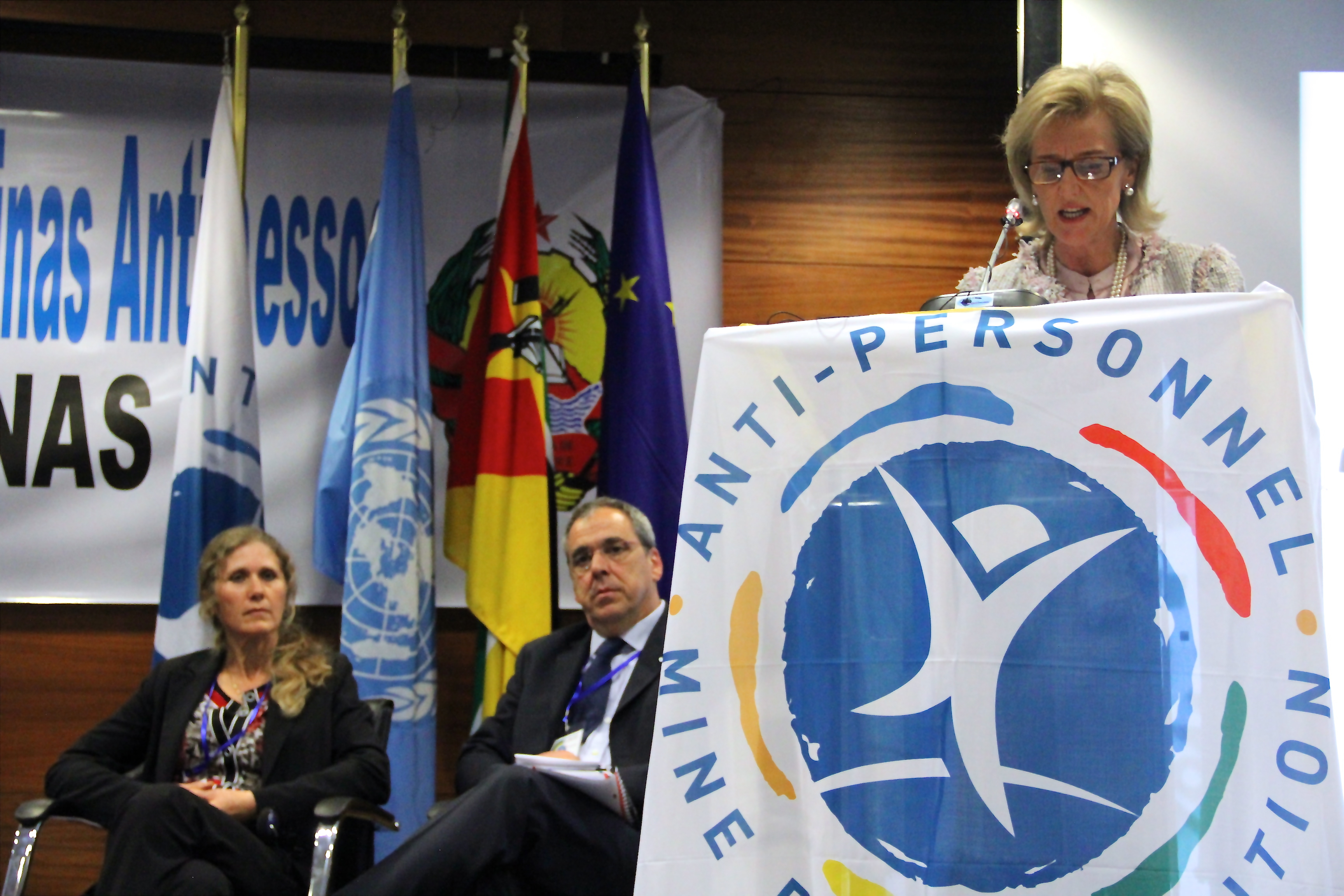
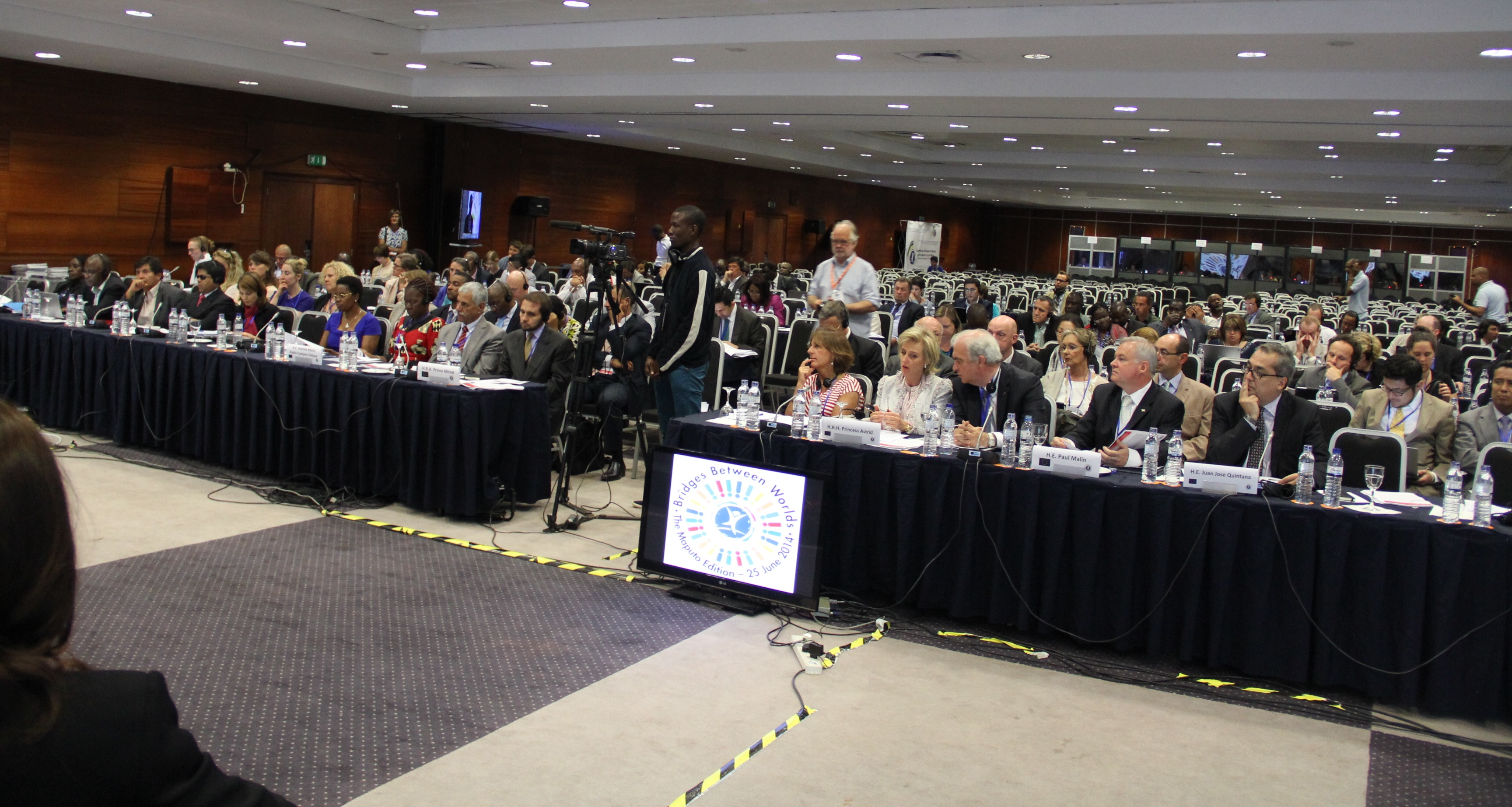
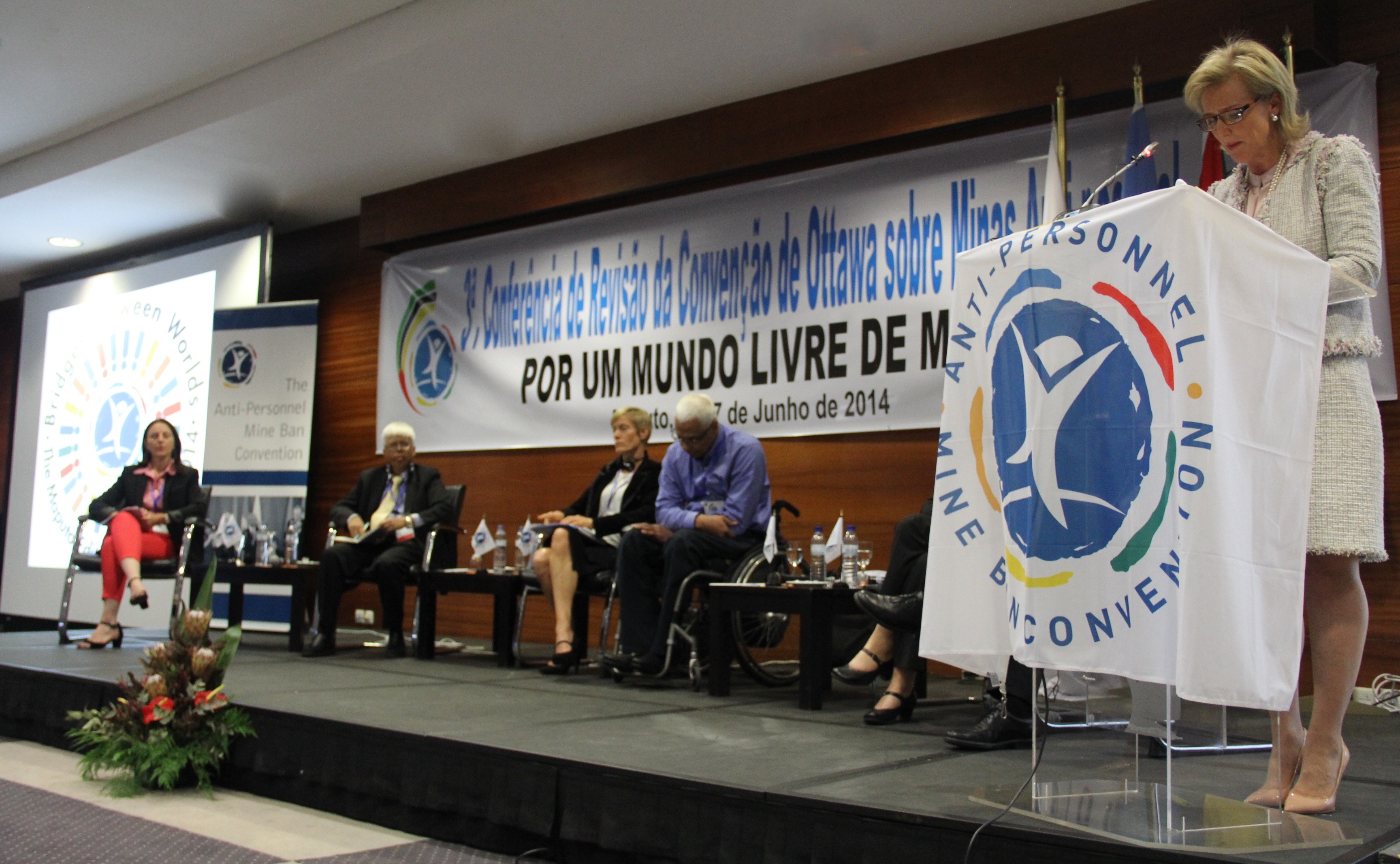
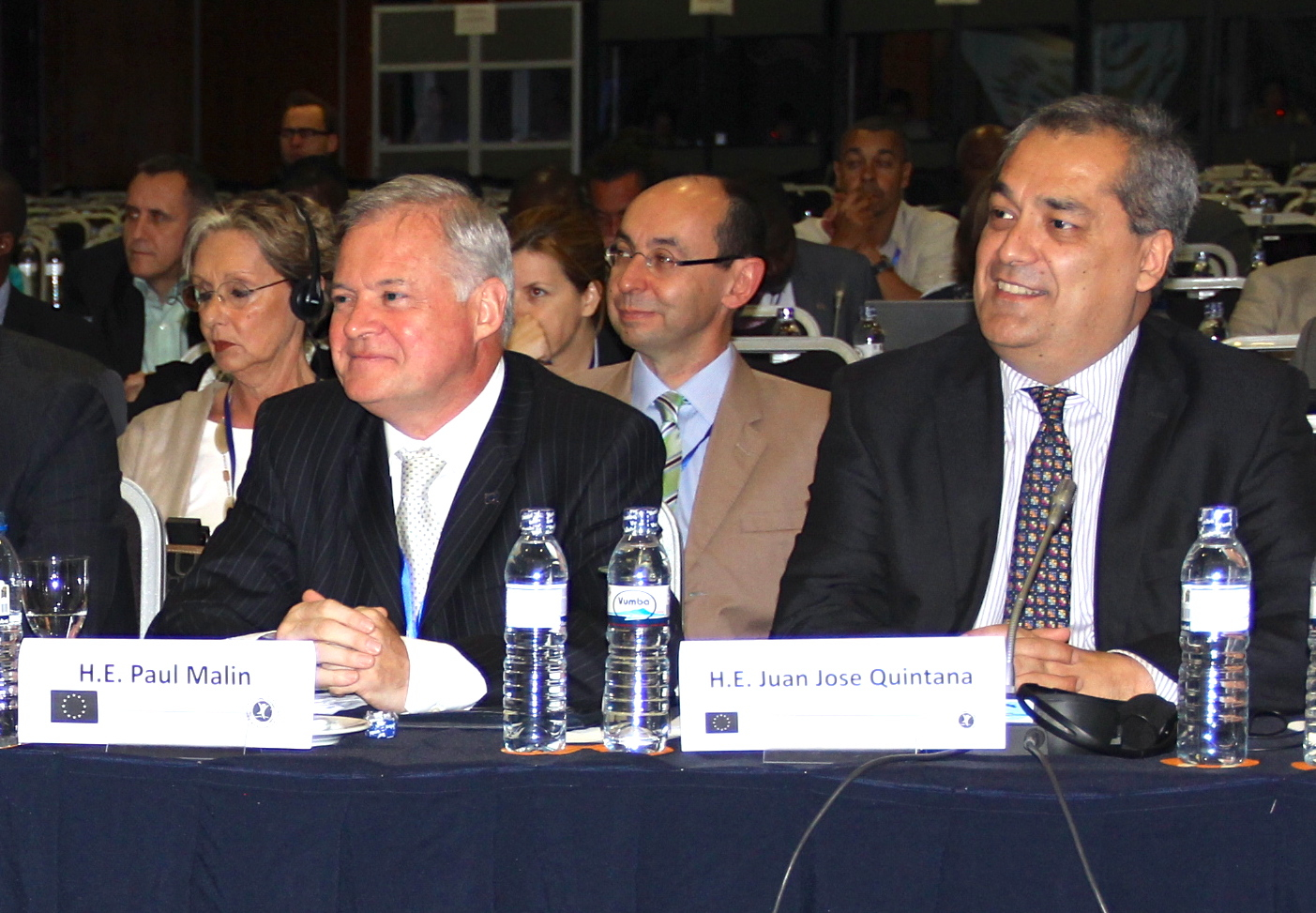
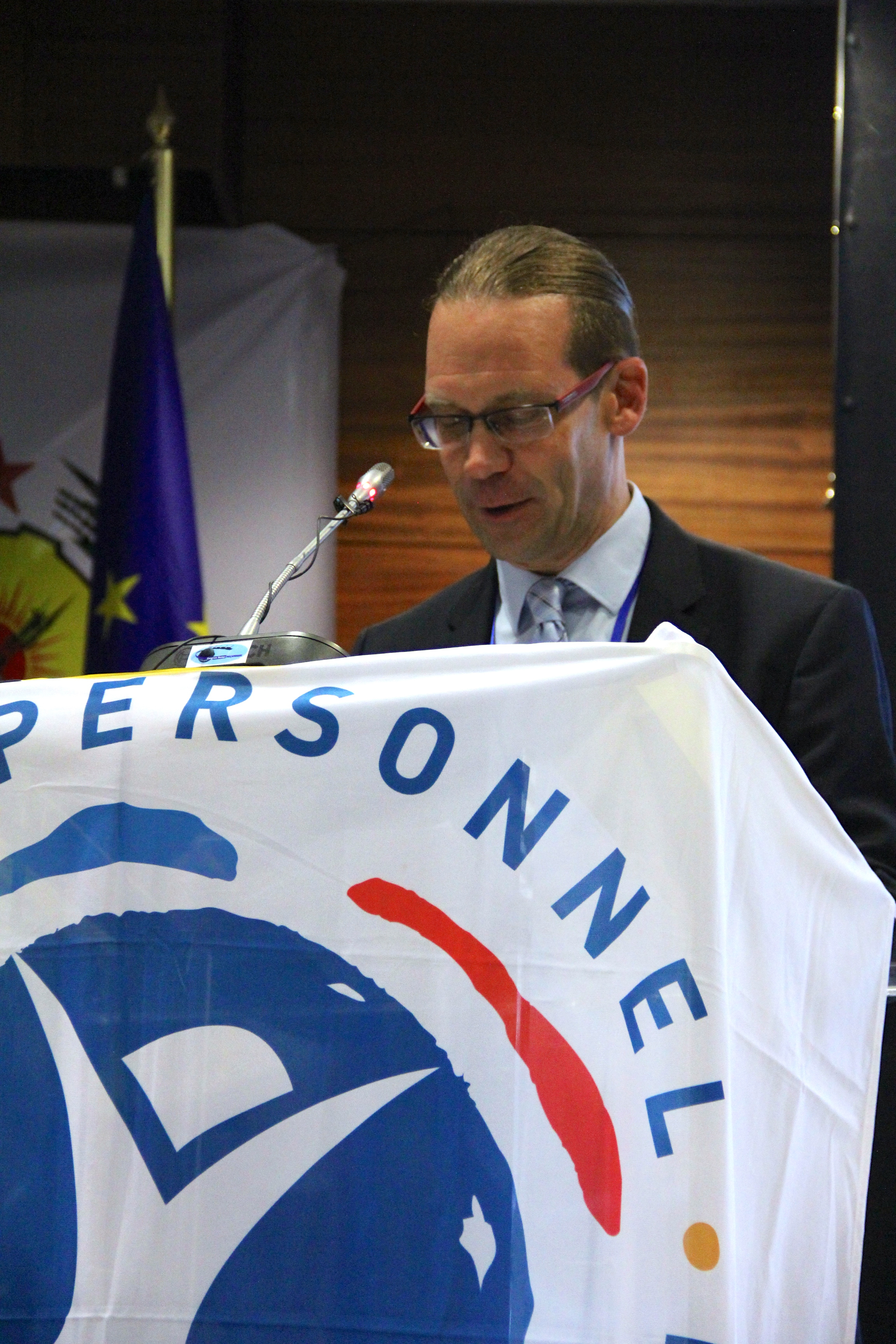
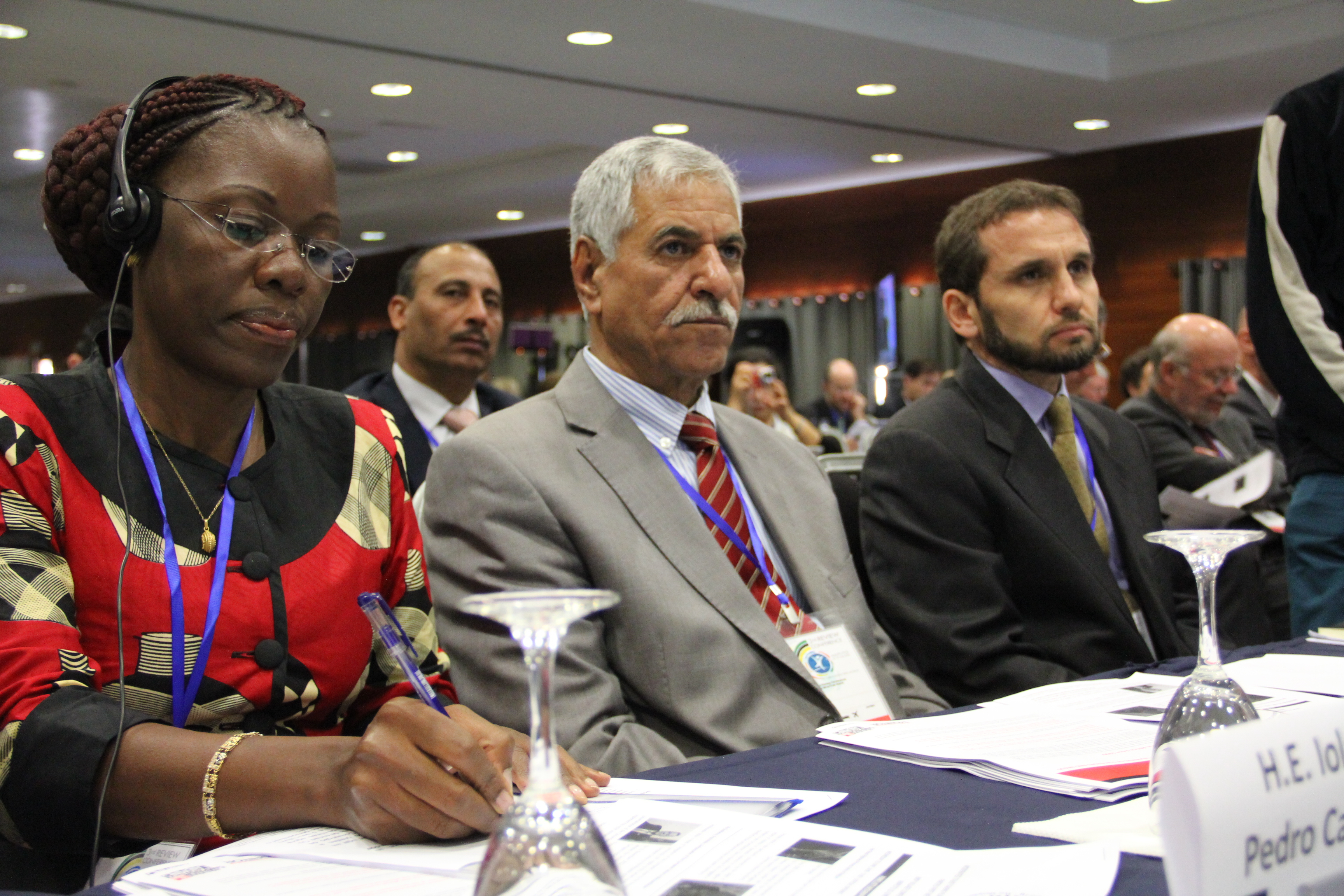
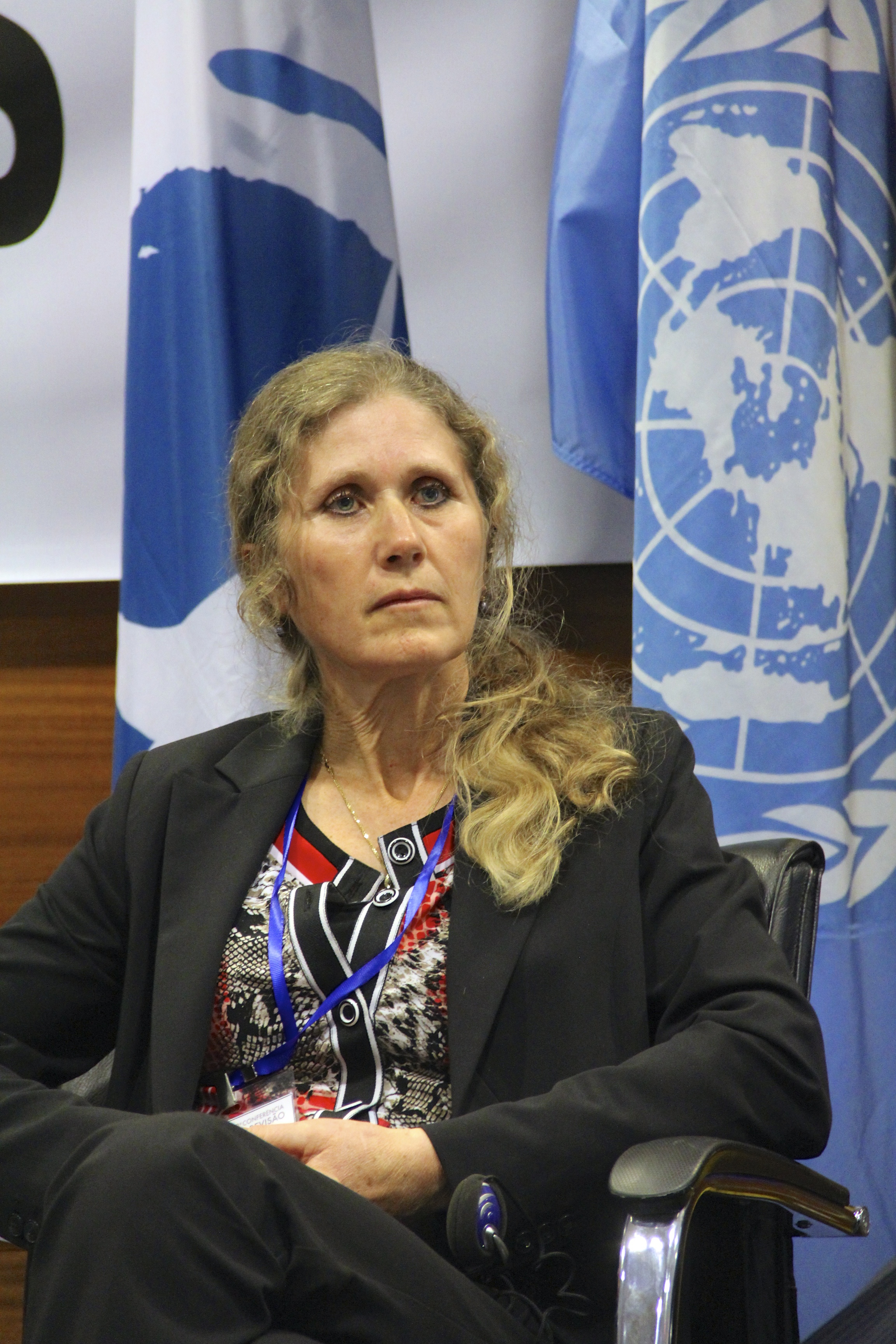
As the third day of the conference fell on Mozambique’s national day, no plenary sessions were scheduled. However, the third day of the conference featured eight side events. These included Bridges between Worlds: The Maputo Edition, which was opened by Her Royal Highness Princess Astrid of Belgium.
The purpose of Bridges between Worlds: the Maputo Edition was to continue to advance the international community’s understanding regarding the place of assistance to victims of mines and other explosive remnants of war in broader contexts. It built upon the global conference entitled Bridges between Worlds, which was hosted by Colombia on 3-4 April 2014 in Medellin with the assistance of the Implementation Support Unit and with financial support provided by both Colombia and the European Union.
Day 4 | Thursday 26 June
The Conference proceeded during its morning session with an exchange of views on the conference’s proposed outcome documents, with amendments presented by the President. After this exchange of views, the conference recommended the final documents for adoption.
The Conference agreed that Presidency of His Excellency, Henrique Banze of Mozambique will continue until 31 December 2014. The Conference further agreed to designate His Excellency Ambassador Bertrand de Crombrugghe of Belgium, President of the Fourteenth Meeting of the States Parties, with his term to start on 1 January 2015, and to end at the conclusion of that Meeting. Subsequent Presidents will be elected at each Meeting of the States Parties for one-year terms running from the conclusion of the Meeting at which they are elected until the conclusion of the Meeting over which they preside.
The Conference agreed that, beginning in 2015, a Meeting of the States Parties will be convened each year at the end of November or beginning of December until the end of 2018, and that the Fourth Review Conference will be held at the end of 2019. The Conference agreed to hold the Fourteenth Meeting of the States Parties in Geneva during the week of November 30 to 4 December 2015. The Conference further noted with appreciation the offer made by Chile to host and preside over the Fifteenth Meeting of the States Parties.
The Conference agreed that informal intersessional meetings will be held each year, preferably after the 30 April deadline for submitting transparency information, and that they could comprise a thematic segment and a preparatory segment. These meetings need not be more than two days long, permitting them to be scheduled during the same week as the meetings of other Conventions or activities. The Conference agreed to hold intersessional meetings for a period of up to two days on 4-5 June 2015. Further to provisions of the 2011 agreement between the States Parties and the GICHD concerning implementation support for the Convention, the Conference expressed its appreciation for the GICHD’s ongoing support to intersessional meetings.
The Conference took decisions with respect to requests for extended mine clearance deadlines, which had been submitted by the Democratic Republic of the Congo, Eritrea, Yemen and Zimbabwe.
9. Consideration of the reports and the 2015 work plan and budget of the Implementation Support Unit
The President recalled that the “Directive from the States Parties to the ISU,” adopted by the 10MSP, instructs the ISU to propose and present a work plan and budget for the activities of the ISU for the following year to the Coordinating Committee for endorsement and subsequently to MSPs for approval. The President further recalled that the “Directive” tasks the ISU to report in written form as well as orally on the activities, functioning and finances of the ISU to each Meeting of the State Parties, and, to submit an audited annual financial report for the previous year and a preliminary annual financial report for the present year to the Coordinating Committee and subsequently to Meetings of the States Parties / Review Conference for approval.
The Director of the ISU presented the following documents:
ISU Draft 2015 Work Plan and Budget
ISU preliminary report on 2014 activities and finances
ISU 2013 Auditor’s statement
The following delegations shared views with respect to the documents presented by the ISU: Mozambique, Australia, Jordan and Norway, which was followed by the conference approving these documents.
Following the high level segment, the Conference merged the remaining thematic items under the review of the operation and status of the Convention.
At the beginning of the afternoon session on the fourth day, the conference commenced with its high level segment, which featured a message from the Convention’s depository, the United Nations Secretary General, which was delivered by the United Nations High Representative for Disarmament Affairs, Angela Kane.
The following States Parties addressed the conference during the high level segment: Mozambique, Belgium, Jordan, Tajikistan, Uganda, Sudan, Japan, Norway, Portugal, Slovakia, Switzerland, Zambia, Holy See, Australia, Algeria, Argentina, Brazil, Burundi and Angola. In addition Swaziland submitted a written statement.
The following observer delegations addressed the conference during the high level segment: ICRC, European Union, and United Nations Committee on the Rights of Persons with Disabilities.
In addition, the following delegations signed, or witnessed the signing of the Maputo +15 Declaration, but did not address the conference: the HALO Trust, Cambodia, Poland, Qatar, Denmark, Ecuador, the Democratic Republic of the Congo, Luxembourg, Hungary, UNDP, Niger, Somalia, Cyprus, Peru, Equatorial Guinea, Greece and Philippines.
Day 5 | Friday 27 June 2014
The following States Parties addressed the conference during the continuation of the high level segment: Austria, France, Indonesia, Germany, Italy, Turkey, South Africa, Mexico, Sweden, Namibia, the Netherlands, New Zealand, Slovenia, Finland, Spain, Thailand, Bangladesh, Bosnia and Herzegovina, Canada, Chile, Belarus, Congo, Croatia, Iraq, Ireland, Senegal, Serbia, Tanzania, the United Kingdom, Colombia, Zimbabwe and Burkina Faso. In addition, Costa Rica submitted a written statement.
The following States not party to the Convention addressed the conference during the continuation of the high level segment: the USA, China, Oman, and India. The following other observer delegations also addressed the conference: the United Nations Advisory Board on Human Security, the United Nations Special Rapporteur on Disability, the ICBL, the International Federation of the Red Cross and Red Crescent Societies and the GICHD. As well, video messages were delivered by United Nations Messenger of Peace, Michael Douglas, and by ICBL youth activists.
In addition, the following delegations signed, or witnessed the signing of the Maputo +15 Declaration, but did not address the conference: Costa Rica, Cleared Ground Demining, Yemen, Seychelles, Peru, South Sudan, UNMAS, Mauritius, Venezuela, and OSCE.
Following the high level segment, the Conference returned to the list of speakers who wished to share views on the remaining thematic items under the review of the operation and status of the Convention. The following delegations shared views: Netherlands, Algeria, Japan, Argentina, UNMAS and ICBL.
No delegation took the floor to raise any other business.
The Conference adopted its final report and related documents, which would had been recommended for adoption during the morning session on Thursday 26 June.
The President of the Third Review Conference, His Excellency Henrique Banze of Mozambique, closed the Third Review Conference.
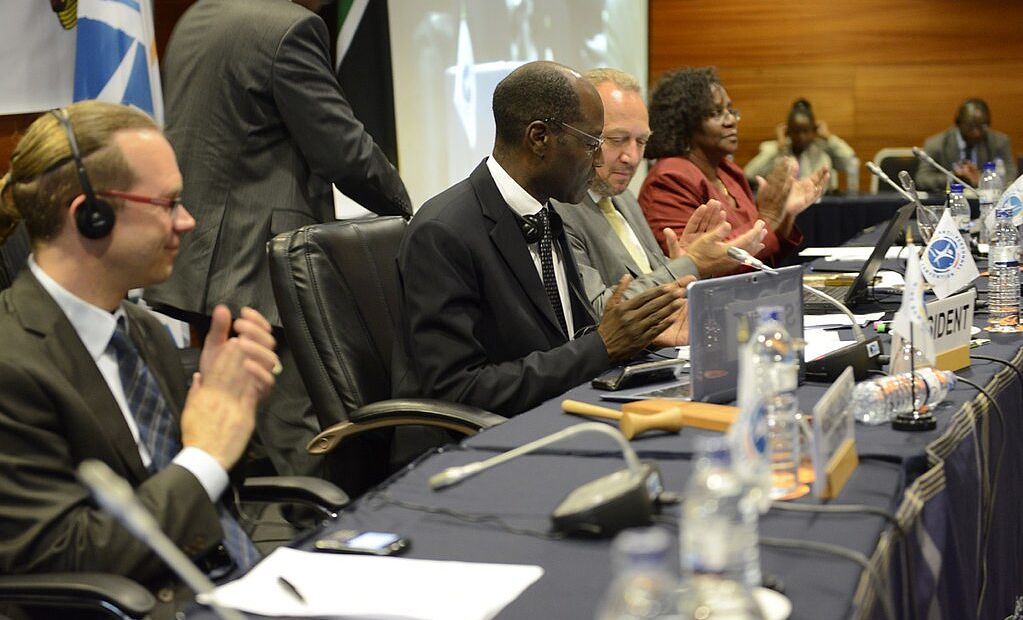
Third Review Conference photos